
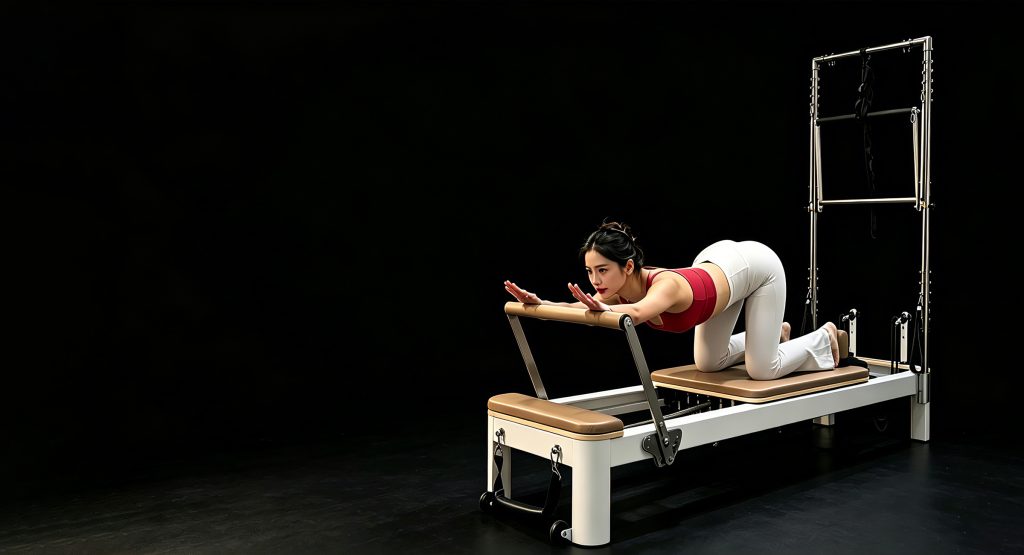

The Great Pilates Equipment Debate
When outfitting a Pilates studio, one of the most significant decisions you will face is choosing between wooden and metal equipment. Both materials have passionate advocates in the Pilates community, and each offers distinct advantages. This comprehensive comparison will help you make an informed decision for your studio.
Wooden Pilates Equipment
Advantages
- Aesthetic Appeal: Wooden reformers and chairs offer a warm, classic look that many clients find inviting and less intimidating than industrial metal equipment.
- Traditional Feel: Wood has been used in Pilates equipment since Joseph Pilates himself, giving it an authentic, heritage quality that appeals to purists.
- Natural Shock Absorption: Wood naturally absorbs vibration and provides a slightly softer feel during exercises, which some clients prefer for comfort.
- Quieter Operation: Wooden equipment tends to produce less noise during use, contributing to a more serene studio environment.
Considerations
- Maintenance: Wood requires regular care including polishing and protection from humidity fluctuations to prevent warping or cracking.
- Weight: High-quality wooden equipment is often heavier, making studio reconfiguration more challenging.
- Cost: Premium hardwood equipment typically commands higher prices due to material and craftsmanship costs.
Metal Pilates Equipment
Advantages
- Durability: Powder-coated steel and aluminum frames offer exceptional longevity and resistance to wear, even in high-traffic commercial settings.
- Low Maintenance: Metal equipment requires minimal upkeep — simple wiping down and occasional bolt tightening is usually sufficient.
- Modern Design: Sleek, contemporary aesthetics that complement modern studio interiors and appeal to a younger demographic.
- Precision Engineering: Metal components allow for tighter manufacturing tolerances, resulting in smoother carriage movement and more consistent resistance.
- Lighter Weight: Aluminum-framed equipment is significantly lighter, making it easier to rearrange your studio layout.
Considerations
- Temperature Sensitivity: Metal can feel cold to the touch in air-conditioned environments, though this is rarely a significant issue during active use.
- Industrial Appearance: Some clients may find all-metal equipment less warm and welcoming compared to wood.
Making Your Decision
Consider these factors when choosing:
- Studio Brand Identity: A boutique wellness studio may benefit from the warmth of wood, while a high-performance athletic facility might prefer the modern look of metal.
- Client Demographics: Older clients or those in rehabilitation may appreciate the traditional feel of wood, while younger, fitness-focused clients often gravitate toward metal.
- Budget: Factor in not just the initial purchase price but also long-term maintenance costs.
- Climate: Studios in humid environments should carefully consider wood equipment or invest in proper climate control.
Conclusion
There is no universally correct answer — the best choice depends on your specific studio vision, client base, and operational priorities. Many successful studios actually mix both types, using wooden equipment in private session rooms for a premium feel and metal equipment in group class areas for durability and ease of maintenance.