
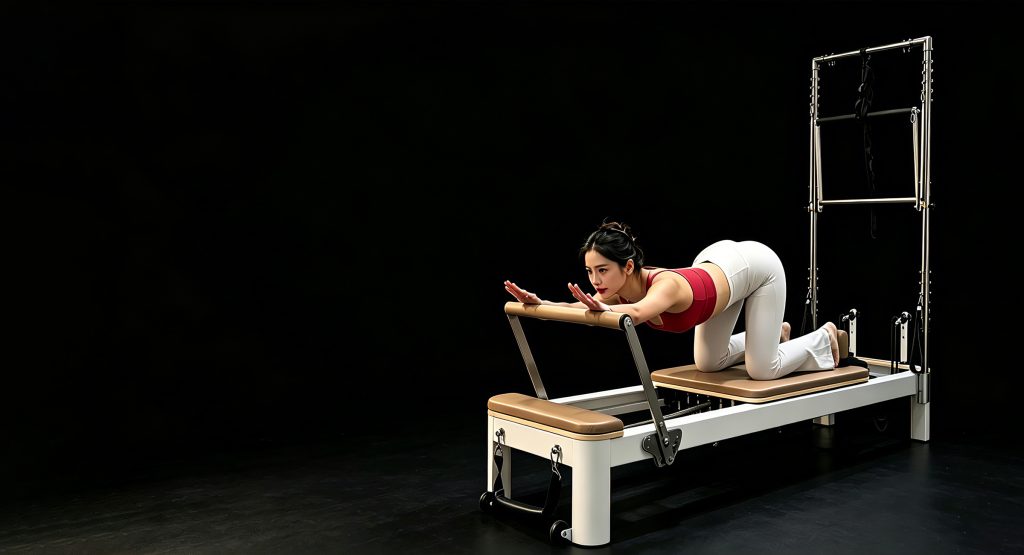
Investing in high-quality Pilates equipment is just the first step. To ensure your reformers, chairs, and barrels deliver consistent performance for years, regular maintenance is essential. Here are the key practices every studio owner should follow.
Daily Cleaning Routine
After each class or session, wipe down all surfaces with a gentle, non-abrasive cleaner. Pay special attention to upholstery, handles, and foot bars where sweat and oils accumulate. Use microfiber cloths to avoid scratching delicate surfaces.
Weekly Inspection Checklist
- Check all springs for signs of wear, rust, or deformation
- Inspect ropes and straps for fraying or stretching
- Test all adjustment mechanisms for smooth operation
- Examine wheels and glides for debris buildup
- Verify frame bolts and screws are tight
Spring Care and Replacement
Springs are the heart of Pilates resistance training. Replace springs every 2-3 years or after approximately 3,000 hours of use, whichever comes first. Always replace springs in matched sets to maintain balanced resistance. Store spare springs in a dry, climate-controlled environment.
Upholstery Protection
Use manufacturer-recommended leather or vinyl conditioners every 3-6 months to prevent cracking. Address tears or loose stitching immediately to prevent further damage. Consider using removable, washable covers for high-traffic equipment.
Professional Servicing Schedule
Schedule professional maintenance at least once per year. A certified technician can identify hidden issues, perform deep cleaning, and calibrate equipment to factory specifications. Keep detailed maintenance logs for each piece of equipment.
With proper care, your Pilates equipment can provide 10+ years of reliable service, protecting your investment and ensuring client safety.